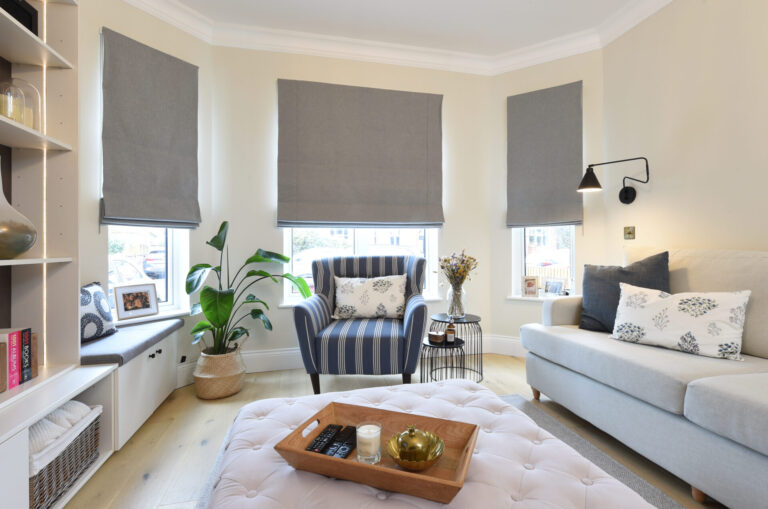
Hannah explains why good interior design begins with emotion and shares how to curate a personal home you connect to.
We often obsess over the perfect shade of paint, tile durability, and storage solutions. Yet the best way to build a home is to focus on connection. Starting from an emotive and sensory perspective, our spaces can become richer, more inviting, and ultimately feel more like us, telling our personal story right from the front door.
Recreating Design Memories
I vividly remember my childhood home. The rustic stone fireplace, heavily patterned curtains, and outdated wooden kitchen doors created the backdrop to countless family moments. If I look deeper, I can still feel the burgundy flock wallpaper, smell the burning fire, and hear the china tinkling in the mahogany cabinet whenever a train passed by.
These memories, deeply etched in my mind, remind me that no matter how mismatched the colour scheme, that home felt wonderful. This is the power of memory in design.
When redesigning a room, think about the memories you’ll treasure in 20 years. Christmas mornings, movie nights, making breakfast pancakes? Incorporate heirlooms, textures, or scents to evoke nostalgia and craft a space filled with meaning.
Emotionally anchoring your Space
Understanding your emotional needs can really refine your design choices. Do you crave calm, comforting mornings? Carefully choose soothing bedroom flooring for softness underfoot. Is work particularly stressful? Use calming colours and soft lighting to create a cocooning retreat at home.
An emotional sanctuary—a place of safety, self-expression, and peace—is often sacrificed for trendy colour schemes or easy-maintenance floors. Aligning your emotional needs with your choice of materials, colours, and textures transforms your home into a source of daily comfort.
Designing for Human Connection
Practicality still matters of course; furniture placement, good lighting, durable materials, and clever storage are essential to avoid clutter and chaos. But design should also enhance connection. A cosy breakfast nook for family gatherings, a conversational lounge layout to encourage collaboration or a coffee table perfect for board games fosters social bonding.
Equally important are intimate spaces for nourishing solitude. Choose saturated colours, touchable fabrics, and personal touches like well read books, healthy plants, and family photos to create a space that feels uniquely yours.
Interior design isn’t just about aesthetics; it’s about emotional resonance and well-being. Our homes should reflect our personalities and needs while becoming the foundation for cherished memories. These thoughtful, emotionally attuned spaces are what our children will lovingly remember.